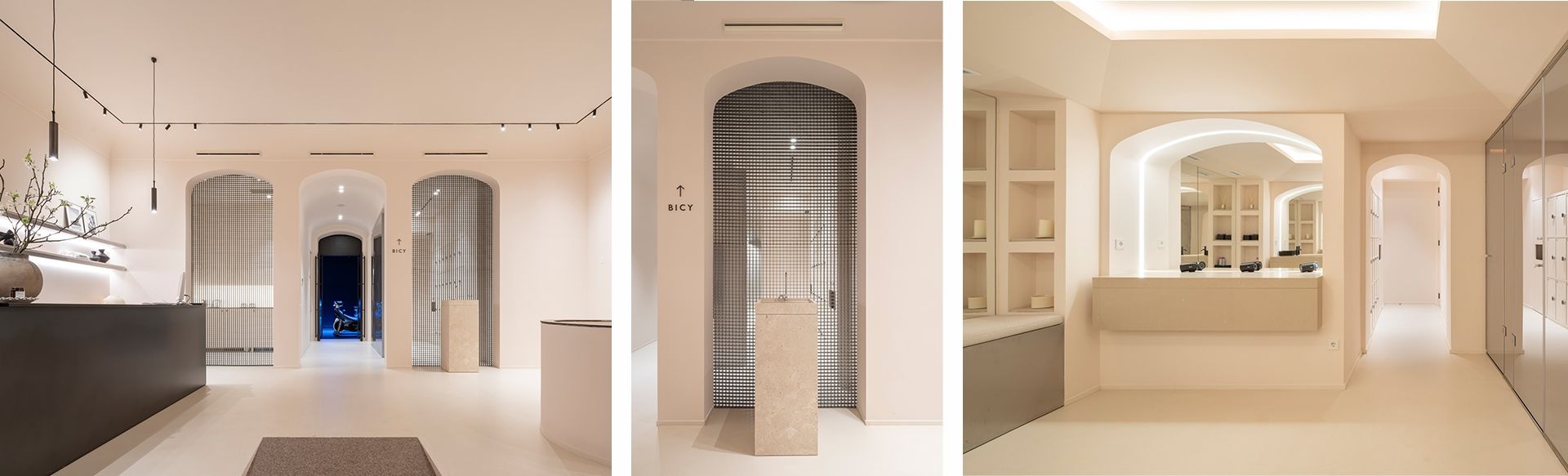

Design in the hospitality sector is undergoing a veritable revolution. Beyond aesthetics, hotel and restaurant projects are now conceived as immersive, sensory and sustainable experiences. From innovative materials to new ways of understanding spaces, today's hospitality design is committed to creating environments that connect emotionally and tell stories.
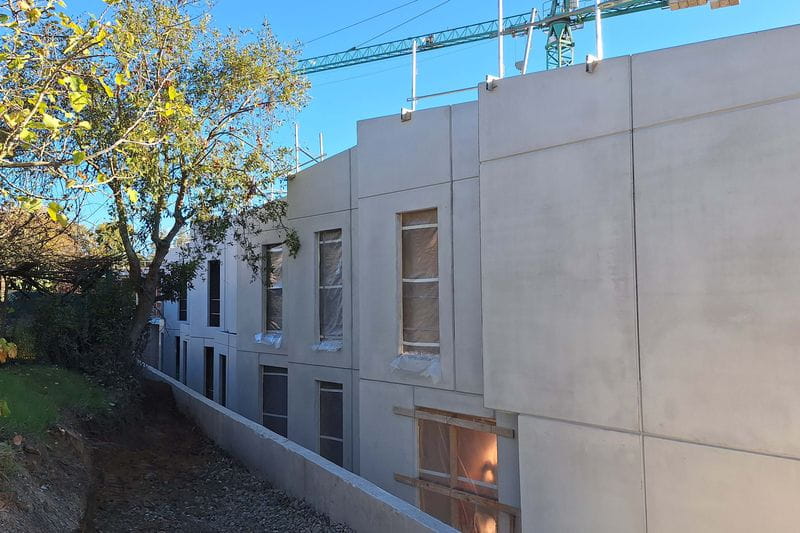
In this new paradigm, technical execution is as important as creativity, and only through close collaboration between designers, architects and builders can coherent, viable and high-impact results be achieved. The construction company must understand the language of design and know how to bring it to life with precision, sensitivity and a commitment to sustainability.
In this article, we explore the key trends that are reshaping the present and future of hospitality design globally.
Tangible sustainability: regenerative design and eco-advanced materials
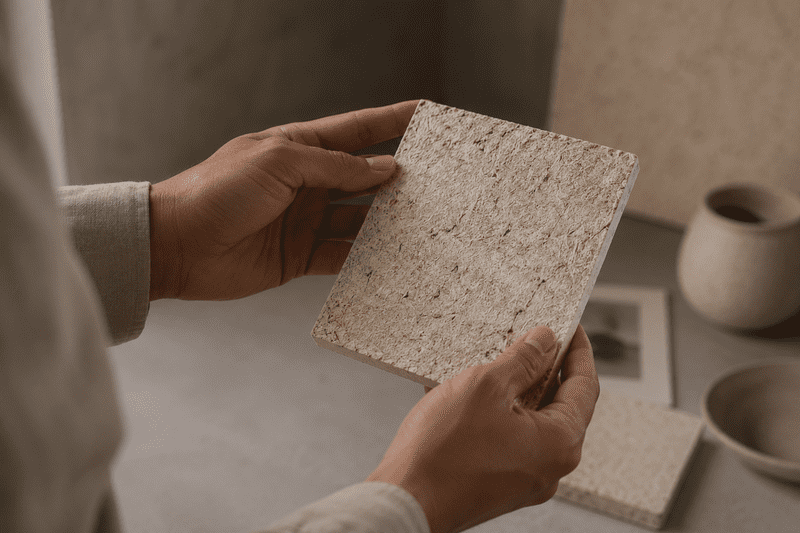
Sustainability is no longer an aesthetic option but a real commitment. The use of recycled building materials, certified organic textiles, eco-friendly coatings, and biomaterials such as mycelium or CLT technological wood is gaining ground. But the evolution goes further.
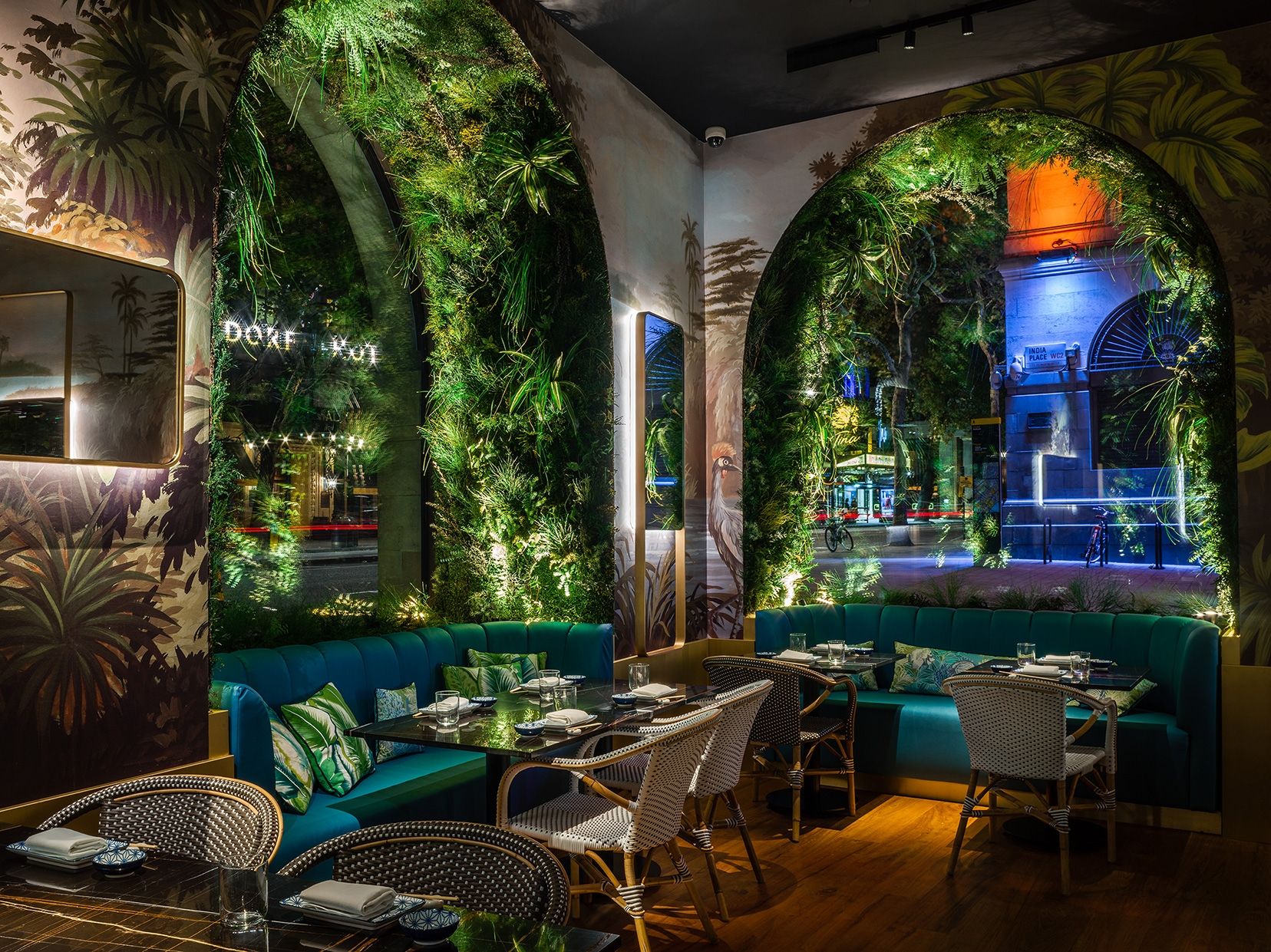
The new frontier is regenerative design: hotels that not only reduce their environmental impact but actively reconnect with biodiversity and regenerate the environment. Landscape architecture, green roofs, and living facades are part of this transformation. It is the shift from sustainable to restorative, from reducing damage to healing the ecosystem.
Emotional design and multisensory experiences
Users are looking for memorable experiences, not just places to eat or sleep. That is why emotional interior design is gaining momentum, with projects that integrate storytelling, aromas, ambient lighting and acoustics as key elements in creating immersive environments. Spaces that are not only seen, but also felt.
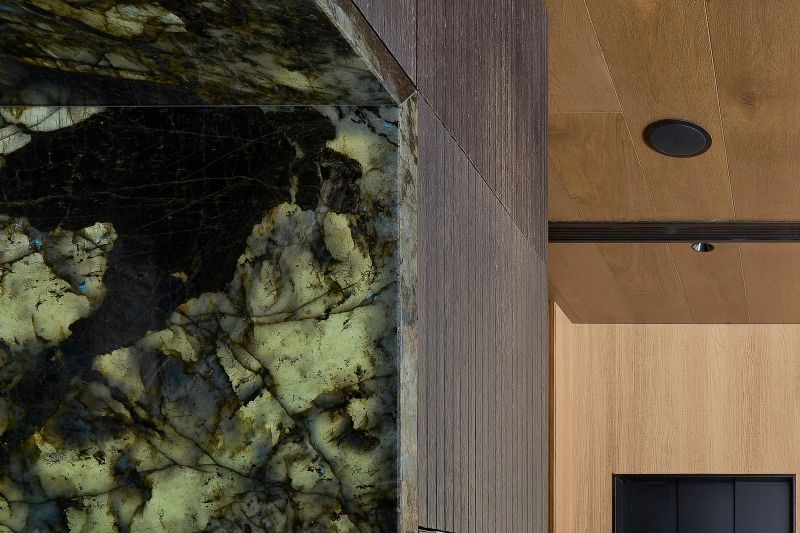
Designing with the five senses in mind has become essential in hotels, restaurants and wellness resorts. The choice of materials, textures and colours becomes a narrative tool at the service of the experience.
Hybrid spaces: functional flexibility and adaptive design
The line between leisure, work and rest is blurring. The rise of workations, digital nomads and new lifestyles demands versatile spaces. The result? Hybrid designs that adapt in real time according to the time of day or the guest's profile. Modular rooms, common areas that transform into coworking spaces, bars or galleries, and lobbies that exude multifunctionality are just a few examples.
The key lies in intelligent flexibility, capable of responding to constantly evolving social dynamics without losing aesthetic cohesion.
Invisible technology and intelligent customization
Technology should not be noticed, it should be felt. Today, innovation is discreetly and elegantly integrated into smart rooms that feature hidden sensors, touch surfaces, voice control, augmented reality, and immersive experiences as part of hyper-personalized hospitality.
From contactless check-in to rooms that remember lighting, temperature, or music preferences, design teams up with technology to create frictionless comfort.
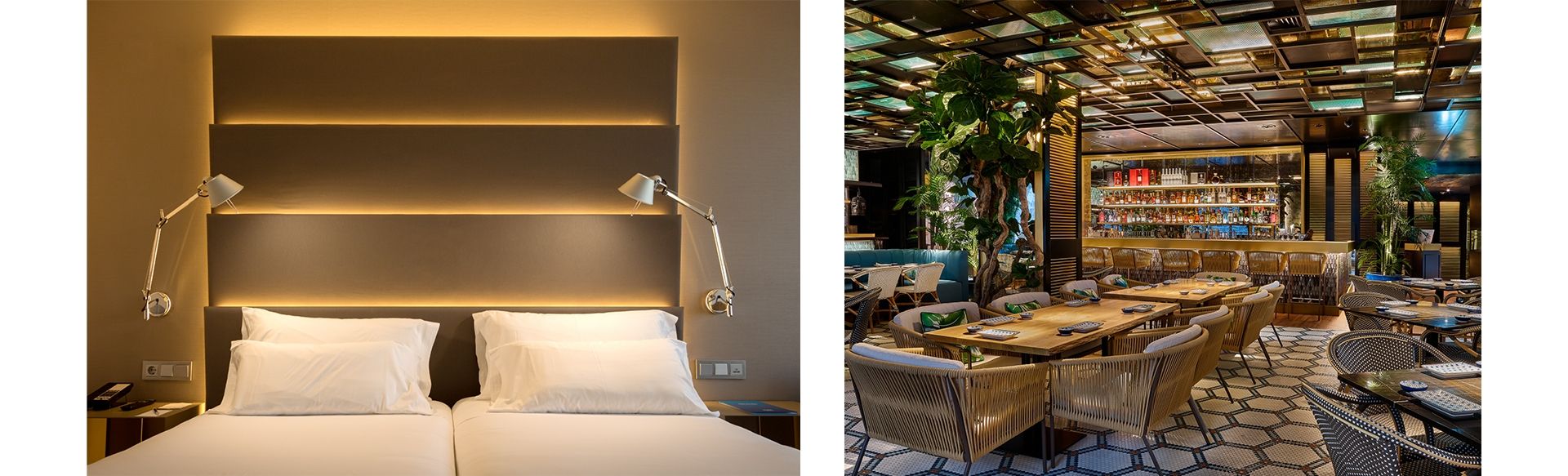
Local identity with a global outlook: the new conscious luxury
Travelers seek authenticity and real connections with the places they visit, and design plays a key role in this: revaluing local culture without falling into clichés, through the use of reinterpreted traditional materials and a narrative that highlights the heritage of the environment.
This approach shapes a quiet, sustainable, and contextual luxury, where every detail tells a story rooted in the territory. It is not about ostentation, but about evoking emotion through authenticity.
Conclusion: design as a strategy
Today more than ever, hospitality design is no longer just an aesthetic discipline; it is a strategic tool. A bridge between brand, emotion, and environment. It is not enough to be functional or attractive: design must be memorable, ethical, and purposeful.
In a market where experience is everything, well-thought-out design is not just added value: it is the driving force behind differentiation, the very soul of the project. And the construction company is its backbone.