
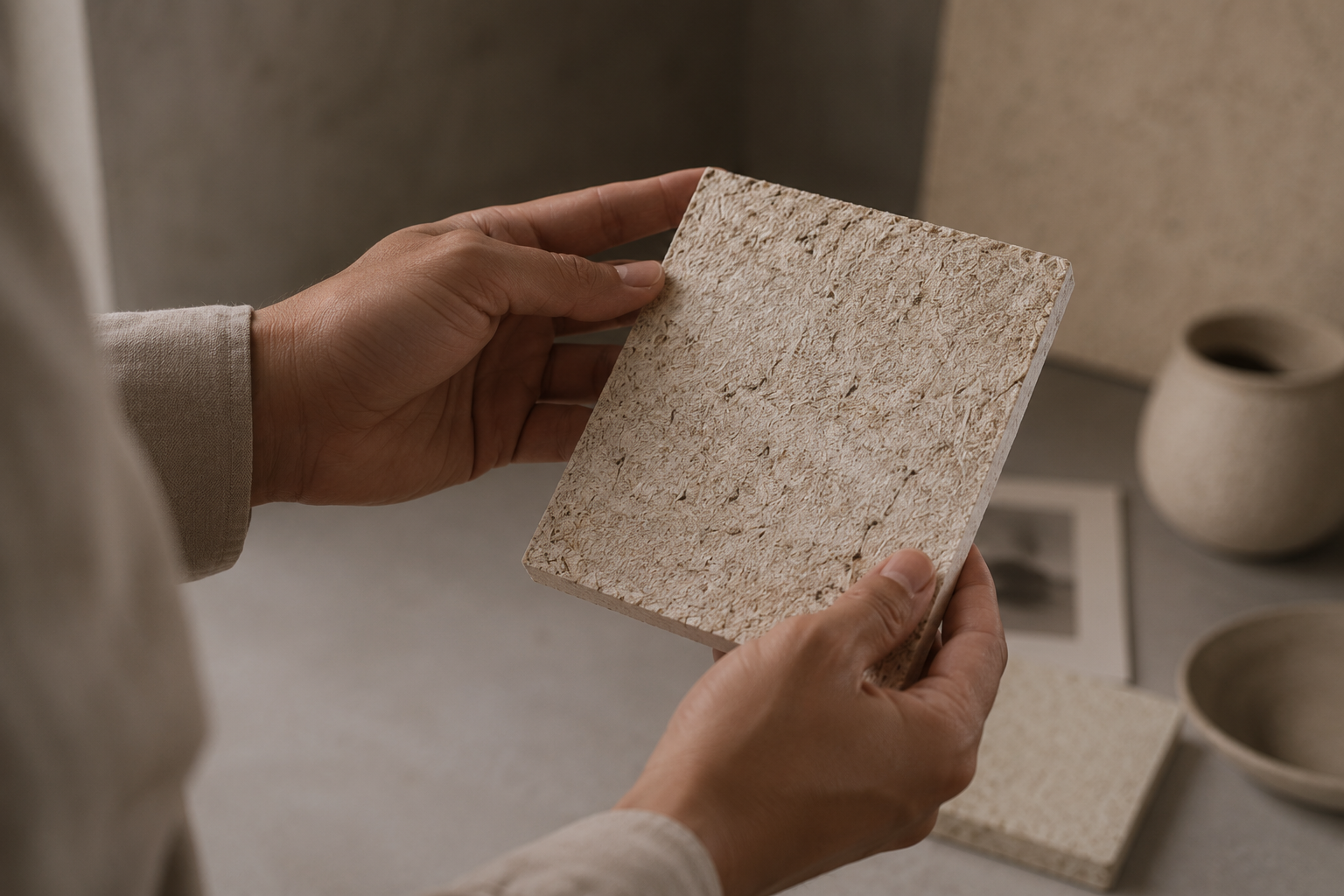
The decarbonisation of the construction sector does not depend solely on improving conventional materials. It also requires research into new ways of producing them. In this context, mycelium stands out as a biomaterial capable of transforming organic waste into lightweight, mouldable components with thermal and acoustic properties of interest to architecture and construction.
Its use has evolved from laboratory trials to commercial panels, interior design elements and full-scale architectural prototypes. However, its current application is mainly focused on non-structural solutions and hybrid construction systems.
What is mycelium?
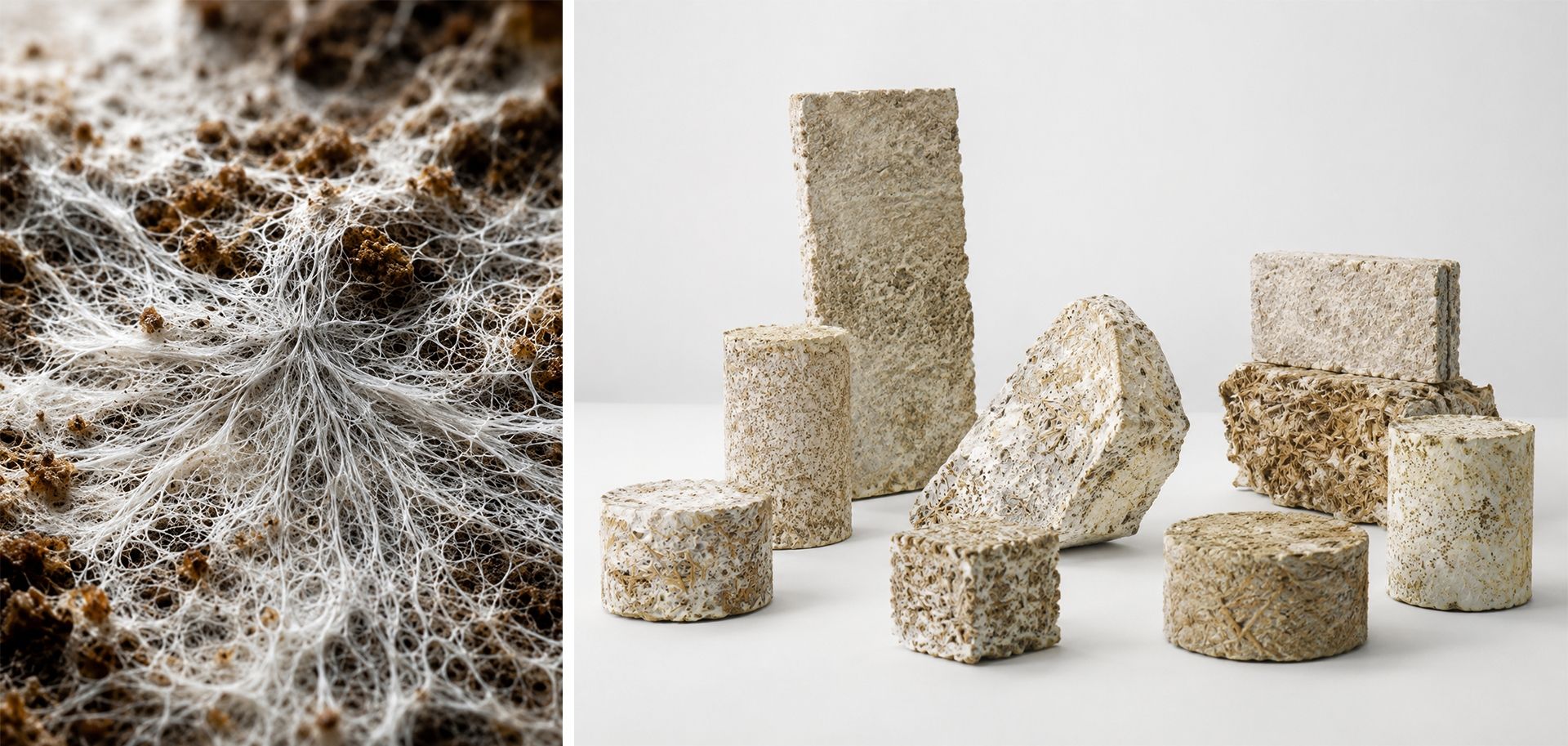
The mycelium is the vegetative body of fungi. It consists of a network of microscopic filaments, known as hyphae, which grow and intertwine within an organic substrate.
To produce materials, the mycelium is cultivated on lignocellulosic waste such as straw, hemp, sawdust, husks or agricultural residues. As they grow, the hyphae envelop and bind the particles together, acting as a natural binder. The result is a mycelium-based biocomposite, not a piece made solely of mycelium.
From a natural organism to a building material
The manufacture of a mycelium composite usually begins with the selection of a fungal species and a plant-based substrate. This substrate is prepared, placed in a mould and inoculated with a fungal strain.
Under controlled conditions of humidity, temperature and ventilation, the mycelium gradually colonises the organic material. During this process, the hyphae connect the particles and create a three-dimensional matrix.
Once the required density and geometry have been achieved, the material is usually dried or heat-treated. This stage halts biological growth, stabilises the product and prevents it from continuing to develop during use.
The final properties depend on numerous factors: the species of fungus, the type and particle size of the substrate, compaction, growth time, drying and subsequent treatments. Consequently, there is no single ‘mycelium material’, but rather a variety of formulations with different characteristics.
Properties and characteristics of mycelium as a biomaterial

Thermal insulation and soundproofing
Its lightweight, porous structure allows it to trap air and limit heat transfer. Some formulations have thermal conductivities of approximately 0.035 to 0.060 W/(m·K), values comparable to those of certain conventional insulating materials.
Porosity also promotes sound absorption, particularly at mid and high frequencies. This makes mycelium an attractive option for reducing reverberation.
A distinction must be made, however, between sound absorption and sound insulation. A mycelium panel can improve the acoustic conditions within a room, but to limit sound transmission between rooms it must be incorporated into a multi-layered solution incorporating mass, decoupling and airtightness.
Lightweight construction and mechanical performance
Mycelium-based biocomposites tend to have a low density. This makes them easier to transport, handle and install, and helps to reduce permanent loads.
Their main limitation is their mechanical strength. Generally speaking, they do not match the performance of a ceramic brick, a concrete block or a timber structural element. They are currently used primarily as insulation, cladding, infill, panel cores or non-load-bearing blocks.
Compression and the addition of fibres can increase their strength, although this also alters their density, their environmental impact and their suitability for recycling or composting.
Reaction to fire and moisture
When exposed to heat, the material may form a charred layer that slows the spread of combustion. However, it should not be regarded as non-combustible. Each product requires a fire reaction classification appropriate to its intended use.
Moisture is one of its main limiting factors. Prolonged exposure to water can cause swelling, loss of rigidity or degradation. For this reason, in outdoor applications it usually requires a protective skin or coating.
Circularity and reduced environmental impact: the environmental value of mycelium
One of the most appealing aspects of mycelium is its role in the circular economy. Its use in building materials offers a number of environmental benefits:
- It utilises organic waste and turns it into useful materials.
- It reduces the consumption of virgin raw materials and, in some applications, the use of synthetic adhesives.
- It may require less energy than the manufacture of certain conventional materials.
- It facilitates a return to the biological cycle, as some mycelium-based products may be biodegradable or compostable, provided they do not contain treatments or additives that hinder this process.
- It can support decentralised and local production models, based on the use of local waste, which would help to reduce certain transport requirements.
In any case, its actual impact must be assessed by taking into account the material’s entire life cycle: manufacture, drying, treatments, durability and end-of-life management.
Pioneering projects
Hy-Fi: the leap from mycelium to the architectural scale
The New York-based studio The Living, led by architect David Benjamin, gained international recognition thanks to the Hy-Fi Tower, an installation built in the courtyard of MoMA PS1 in New York using 10,000 bricks made from mycelium.
More than just an artistic intervention, the project served as a manifesto for what ‘living architecture’ might be – architecture capable of being born, developing and disappearing without leaving any waste or environmental footprint.
The Growing Pavilion: towards a fully bio-based structure
Unveiled at the 2019 Dutch Design Week in Eindhoven, The Growing Pavilion is an innovative, temporary architectural structure built almost entirely from bio-based materials. It was designed to demonstrate both the technical feasibility and the aesthetic potential of sustainable construction, and incorporated 88 mycelium panels, combined with wood, hemp and other plant-based materials.
The project highlighted the textures, irregularities and unique visual identity of biomaterials, deliberately moving away from the uniform finishes of conventional materials. Furthermore, it achieved a negative carbon footprint of 10 tonnes of CO? and a circularity rate of 95 per cent, indicating that it absorbed and stored more carbon than was emitted during the production of its components.
MycoTree: mycelium as a load-bearing structure
Developed by researchers at ETH Zurich and the Karlsruhe Institute of Technology, MycoTree explored the use of mycelium components in a structure designed to withstand primarily compressive forces.
Although it was an experimental prototype, it demonstrated how geometry, digital fabrication and biomaterials can be combined to compensate for limited mechanical strength.
The Phoenix: from prototype to collective housing
Located in Oakland (California), The Phoenix is one of the most disruptive projects currently under development to utilise mycelium as a key component. It is a modular residential complex, comprising more than 300 homes, which combines AI-assisted design tools with modular and prefabricated construction systems.
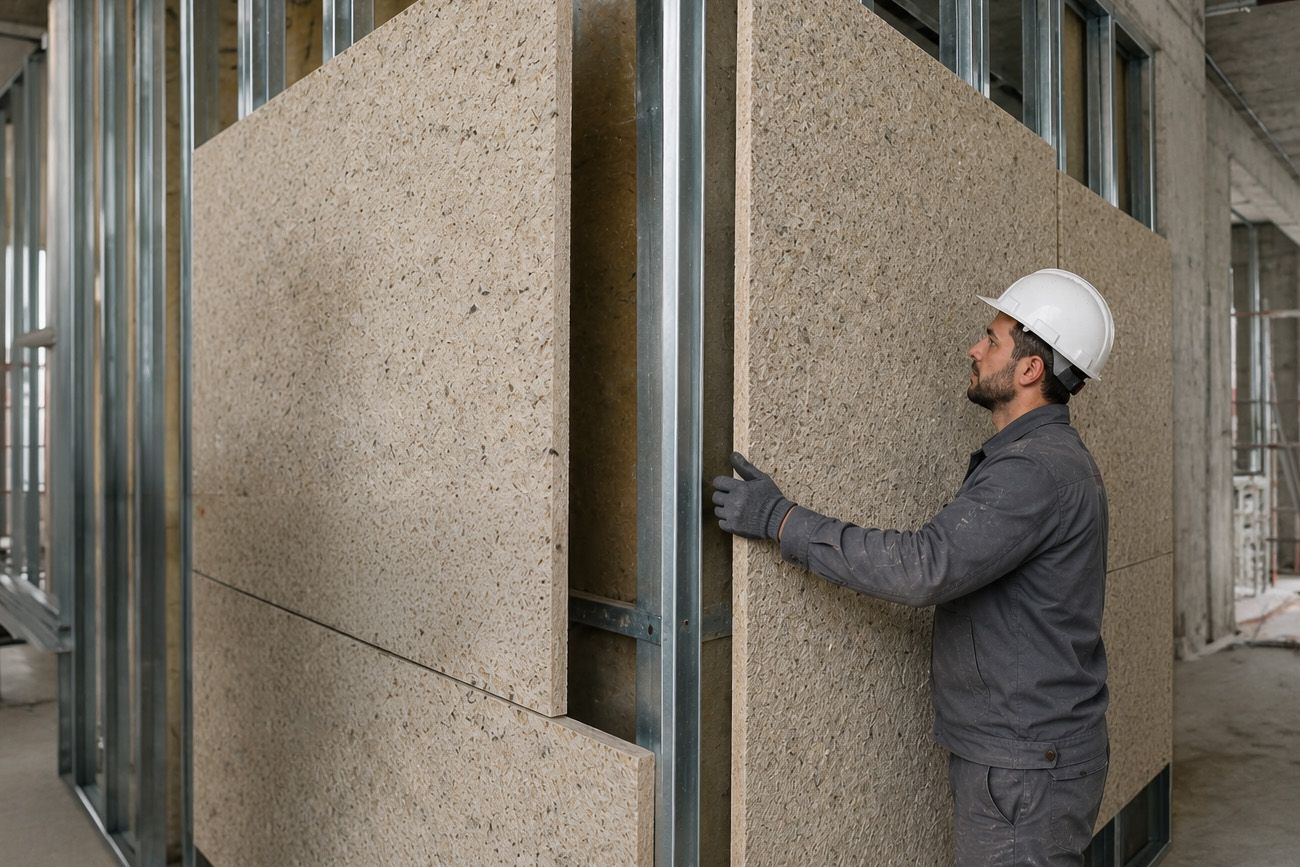
Its main material innovation lies in the incorporation of mycelium as the insulating core of large façade panels, covered by a fibre-reinforced polymer cladding that ensures their strength and durability.
Unlike MycoTree, where mycelium performs a structural function, in The Phoenix it is used primarily as thermal insulation and as a carbon-sequestering material. The proposal represents one of the most realistic avenues for its large-scale application: integrating mycelium into hybrid and industrialised systems, rather than constructing the building entirely from a single biomaterial.
Current applications of mycelium in architecture and construction
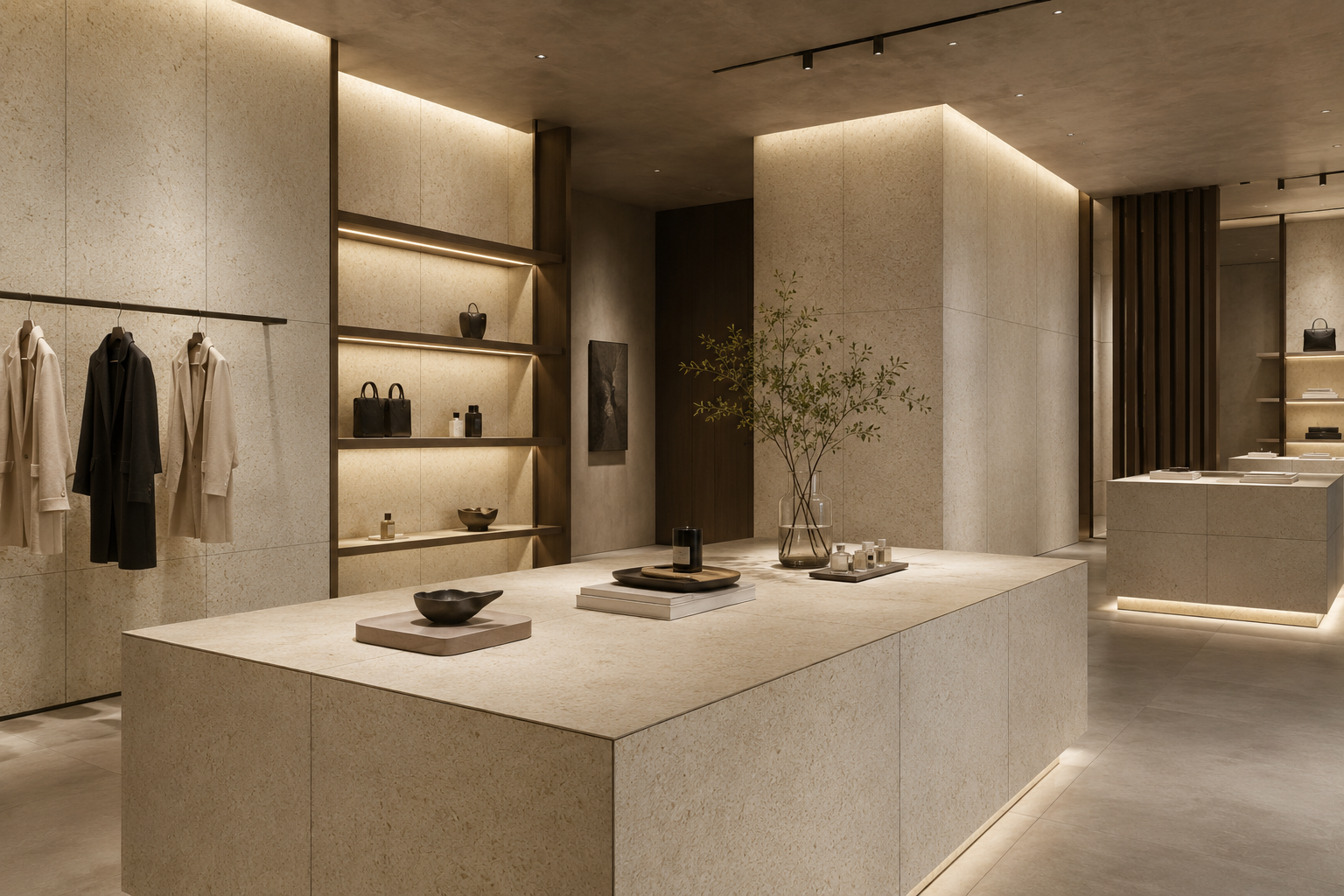
Although its use in the sector is still in its early stages, mycelium is already being used in a range of applications thanks to its lightness, insulating properties, biodegradability and low environmental impact. The applications with the greatest potential are:
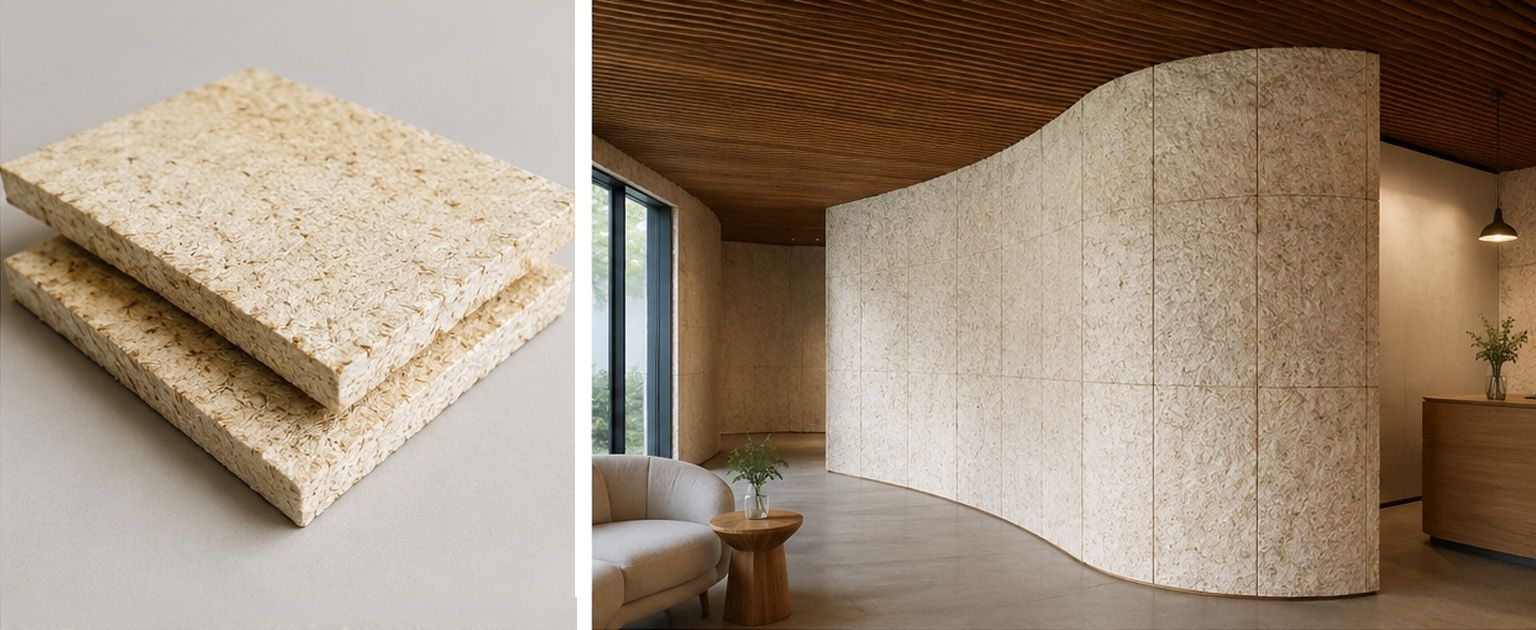
- Thermal and acoustic panels for walls and ceilings.
- Insulating cores for building envelopes and prefabricated elements.
- Non-load-bearing blocks and eco-bricks for partition walls, pavilions or temporary structures.
- Cladding and decorative panels with customised designs.
- Lighting fixtures, furniture, display units and interior design elements.
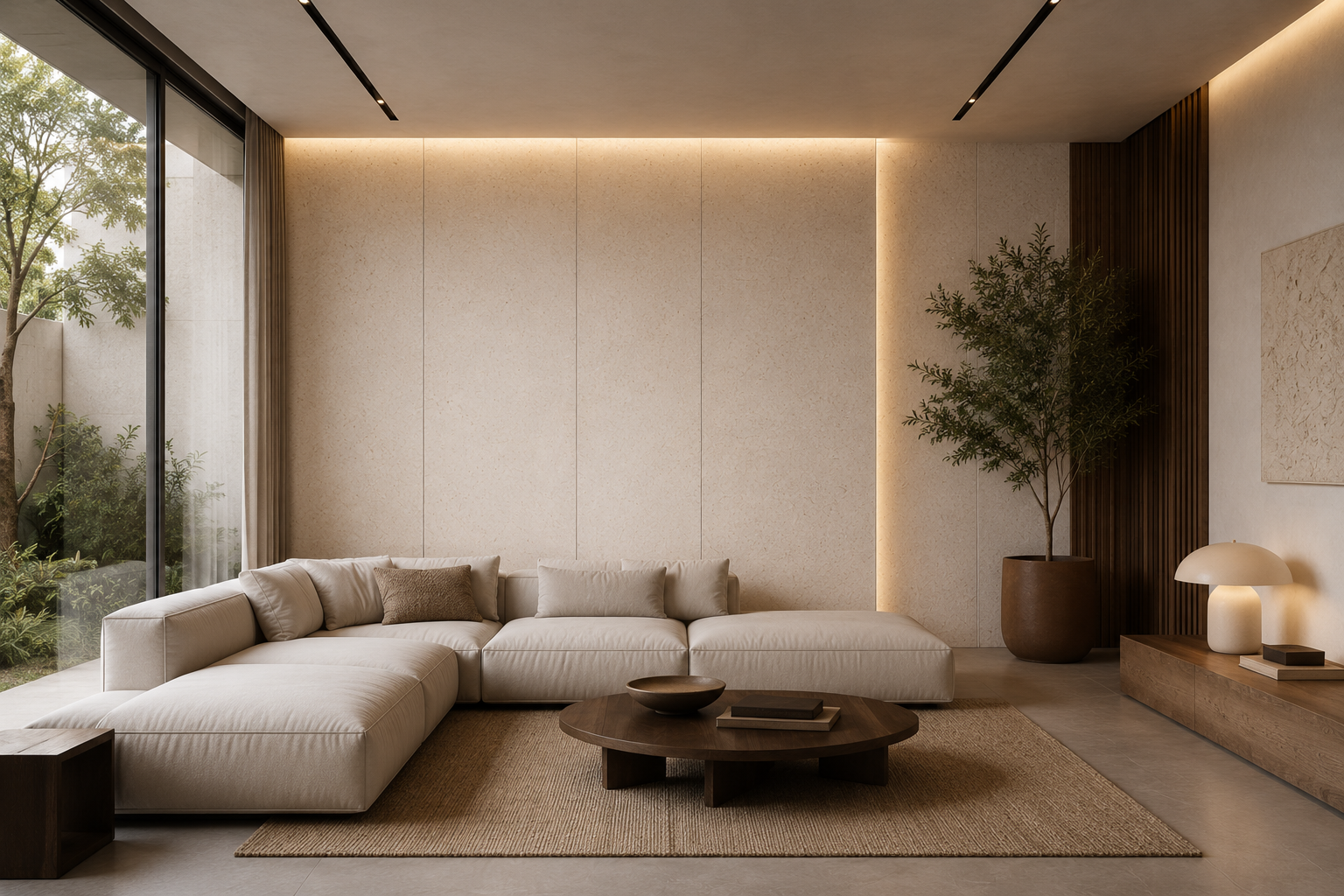
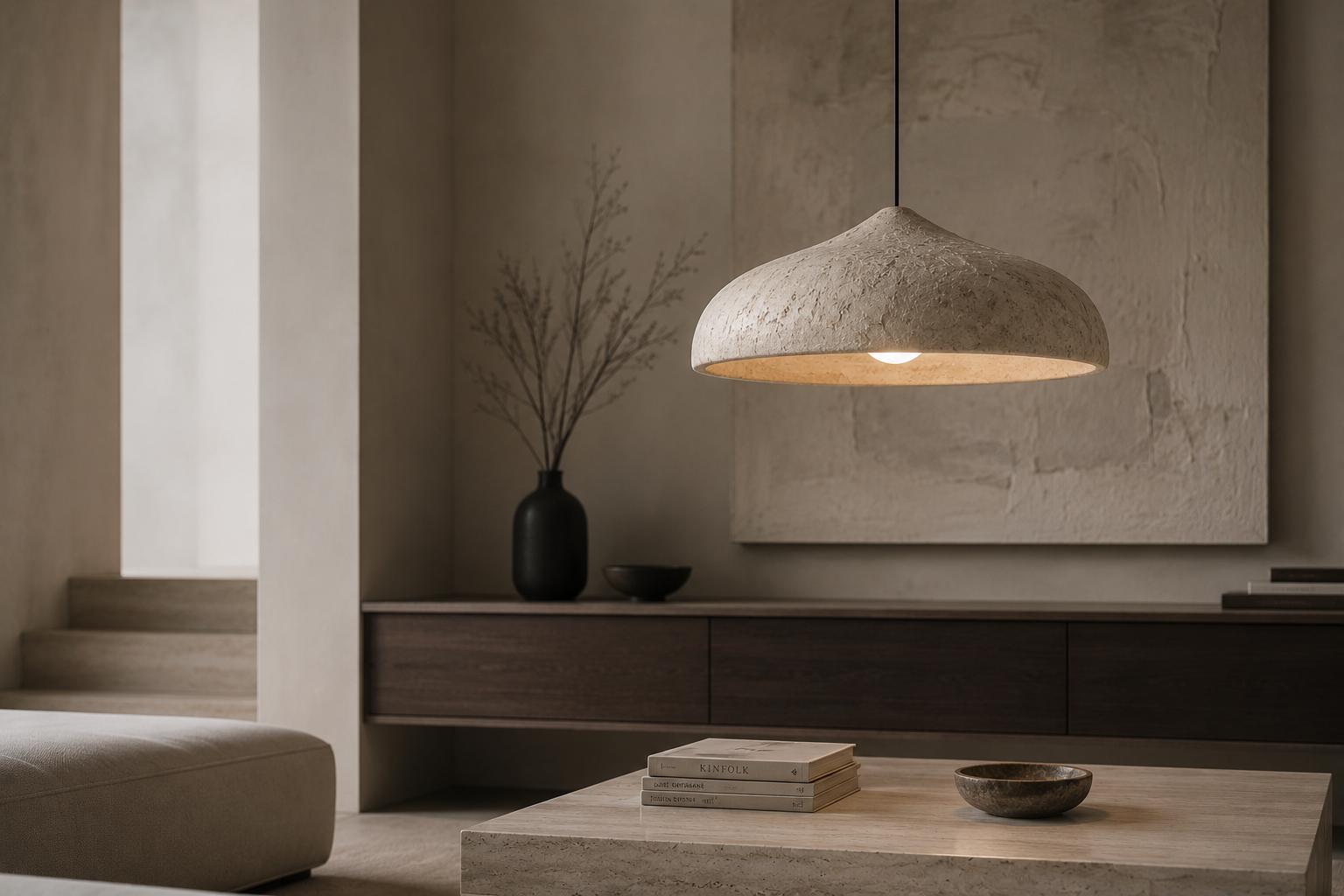
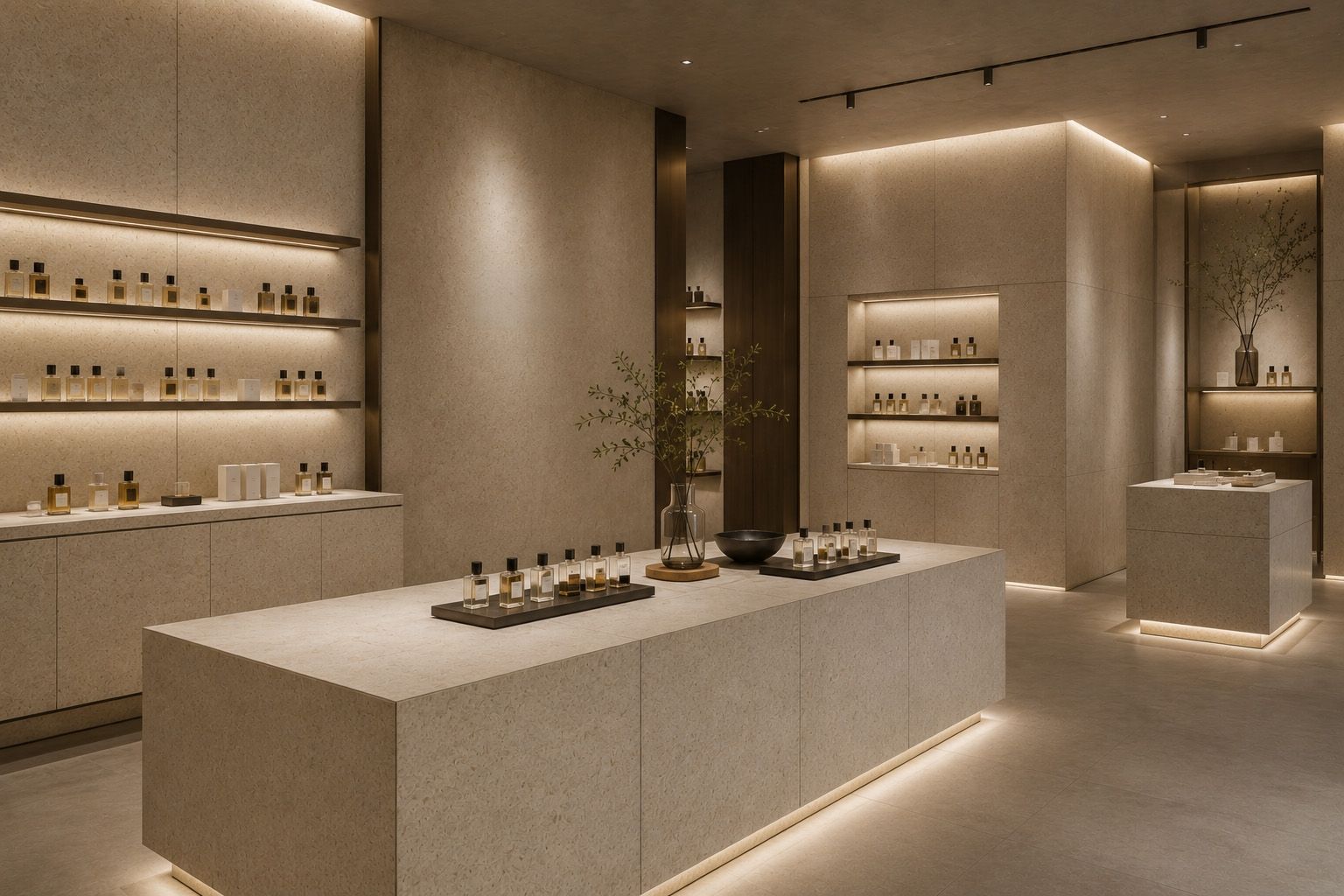
Retail and corporate spaces offer a particularly favourable setting, as they combine acoustic requirements, aesthetic distinction and a narrative linked to circularity. In refurbishment projects, their light weight can make it easier to incorporate insulation or cladding without significantly increasing existing loads.
Challenges and future prospects
To expand their use, the sector must improve the reproducibility of manufacturing, water resistance, durability and mechanical performance. It will also be necessary to have standardised products, recognised testing methods, environmental declarations, fire classifications and guarantees comparable to those of other building materials.
Research is focusing on pressed composites, natural fibre reinforcements, bio-based coatings, automated manufacturing and integration with 3D-printed structures or prefabricated systems.
In the short term, mycelium will mainly be used as insulation, sound absorption material, lightweight filler, cladding and panel core. Its future does not appear to lie in replacing concrete, steel or ceramics on a widespread basis, but rather in complementing these materials where lightness, circularity and the reduction of embodied carbon are priorities.
In short, mycelium introduces a new approach to production: cultivating materials from renewable waste. Its success will depend on whether this biological capability can be translated into certified, durable and competitive products that are compatible with actual design and construction processes.